When selling a home in today’s Greater Vancouver real estate market, standing out matters more than ever.
Buyers often view multiple properties in a single day. By the end of those showings, many homes begin to blur together. The ones that stand out are not always the largest or most expensive. They are the ones that leave a lasting impression.
So what makes a home memorable?
It often comes down to first impressions and presentation.
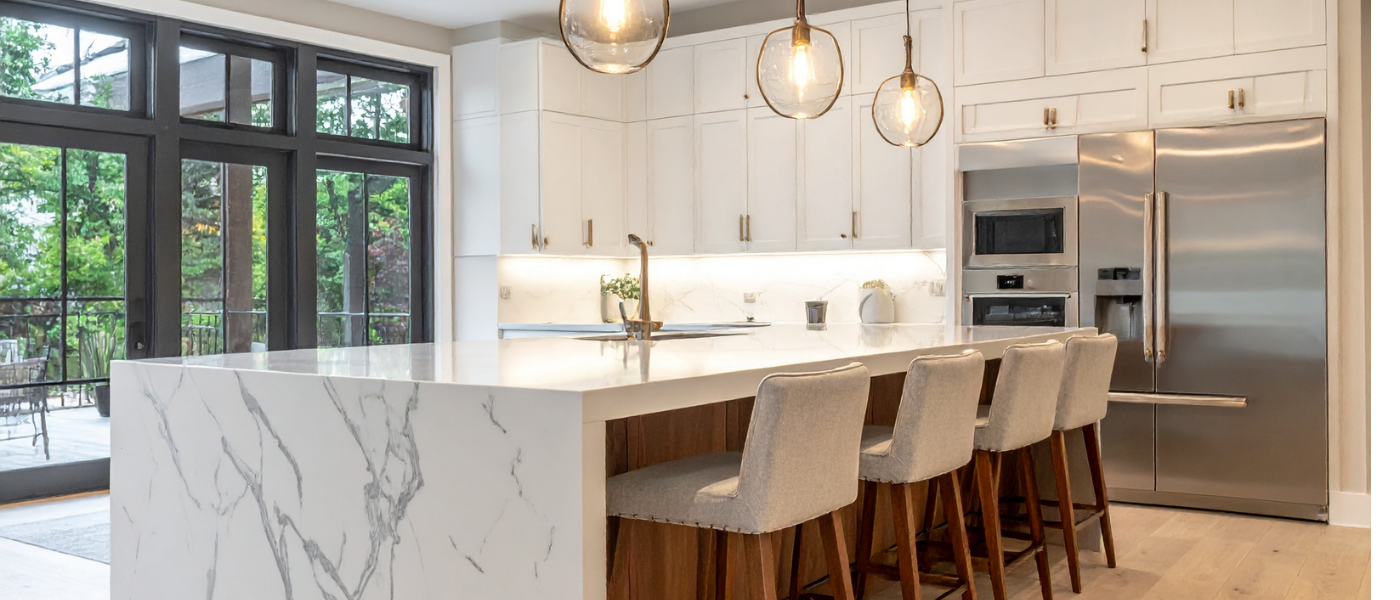
Light is one of the first things buyers notice. Bright, open spaces feel more inviting and allow buyers to better imagine themselves living in the home. Dark or poorly lit spaces, even if they are well sized, can feel smaller and less appealing.
Cleanliness and condition also play a critical role. A well maintained home signals care and attention, while clutter, wear, or unfinished details can create hesitation and reduce perceived value.
Layout is important, but how the space is presented matters just as much. Clearly defined rooms help buyers understand how the home functions. When spaces feel awkward or unclear, buyers are less likely to connect.
There is also a strong emotional component in how buyers choose a home.
Buyers are not just comparing features. They are imagining their day to day life. The homes they remember are the ones where that picture comes easily.
Sometimes it is subtle. Natural light, flow between rooms, a sense of space, and even small details like scent or noise can influence how a home feels during a showing.
On the other hand, homes that are forgettable tend to lack that connection. There may be nothing obviously wrong, but they do not create a strong enough impression to stay top of mind.
In a competitive real estate market like Vancouver, this matters.
A home that is memorable is more likely to generate interest, attract stronger offers, and ultimately sell more effectively. This is especially important when pricing is aligned with the market.
The goal when preparing a home for sale is not simply to list it. It is to position it in a way that captures attention and creates a lasting impression.
Because in the end, buyers do not choose the home that checks the most boxes.
They choose the one they remember.
Buyers often view multiple properties in a single day. By the end of those showings, many homes begin to blur together. The ones that stand out are not always the largest or most expensive. They are the ones that leave a lasting impression.
So what makes a home memorable?
It often comes down to first impressions and presentation.
Light is one of the first things buyers notice. Bright, open spaces feel more inviting and allow buyers to better imagine themselves living in the home. Dark or poorly lit spaces, even if they are well sized, can feel smaller and less appealing.
Cleanliness and condition also play a critical role. A well maintained home signals care and attention, while clutter, wear, or unfinished details can create hesitation and reduce perceived value.
Layout is important, but how the space is presented matters just as much. Clearly defined rooms help buyers understand how the home functions. When spaces feel awkward or unclear, buyers are less likely to connect.
There is also a strong emotional component in how buyers choose a home.
Buyers are not just comparing features. They are imagining their day to day life. The homes they remember are the ones where that picture comes easily.
Sometimes it is subtle. Natural light, flow between rooms, a sense of space, and even small details like scent or noise can influence how a home feels during a showing.
On the other hand, homes that are forgettable tend to lack that connection. There may be nothing obviously wrong, but they do not create a strong enough impression to stay top of mind.
In a competitive real estate market like Vancouver, this matters.
A home that is memorable is more likely to generate interest, attract stronger offers, and ultimately sell more effectively. This is especially important when pricing is aligned with the market.
The goal when preparing a home for sale is not simply to list it. It is to position it in a way that captures attention and creates a lasting impression.
Because in the end, buyers do not choose the home that checks the most boxes.
They choose the one they remember.
You may also find this post helpful:
What Happens If You Underprice Your Home?
What Happens If You Underprice Your Home?